
It's time for an update

You've been using your good friend IE for quite some time now. It has been a reliable companion for probably the last 20 years.

Unfortunately, due to technology constantly evolving, we would like to kindly ask you to update your browser to one of your liking from the ones listed below. This will ensure that you're going to have good time on our site. Actually, any site really.

Farewell, Internet Explorer.

Do I need planning permission for a heat pump in the UK?

With an increase in demand for low-carbon technology, many UK homeowners are switching to more sustainable heating.
Vaillant installer putting the top panel of a heat pump on.

An air, ground or water source heat pump is a more sustainable and efficient choice compared to traditional gas or oil heating systems.

One common concern is whether installing a heat pump requires planning permission. You usually don’t need planning permission for a heat pump. Instead, heat pumps sometimes require ‘permitted development’, which is the right to carry out specific minor building works without a full planning application.

In contrast, planning permission is a formal application and approval process for building projects that are not covered by permitted development rights.

The rules in England and Wales are different from those in Scotland, so knowing the rules for the country is important.


A Vaillant installer putting the top panel of a heat pump unit.

What is a heat pump?

There are three main types of heat pumps. An air source heat pump extracts heat from the outside air, converting it within the unit to heating and hot water. A ground source heat pump takes heat from ground loops buried in the land adjacent to the property.

Meanwhile, water source heat pumps come in two types: closed-loop and open-loop systems. In general, the closed-loop system is more common, but both extract water from a lake, stream or river and generate it into cosy warmth and hot water.

Heat pumps need some electricity to run, but they're more energy efficient than traditional gas boilers. But before installation, it’s important to consider whether you need to apply for planning permission.

Air source heat pumps: Do you need permission?

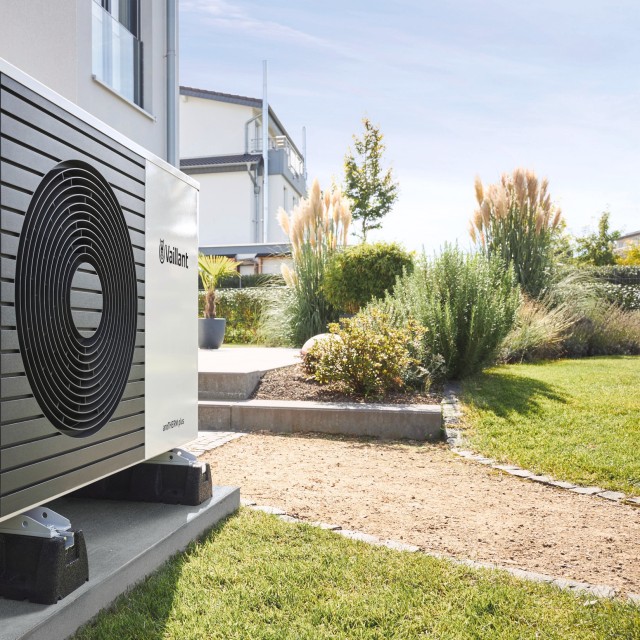
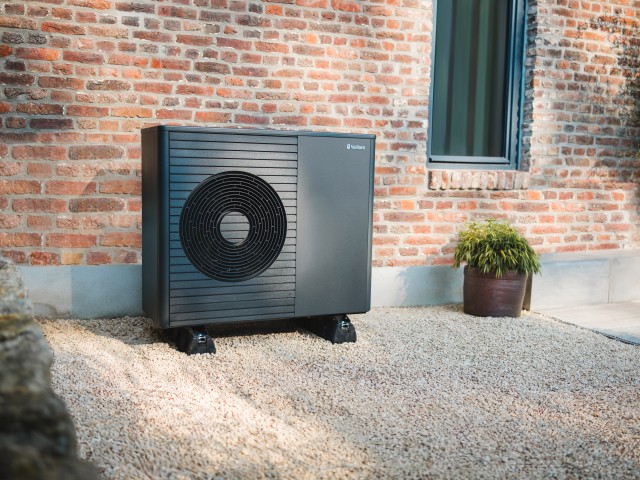
The aroTHERM plus heat pump, boasts an A+++ energy efficiency class when paired with a Vaillant hot water cylinder and indoor unit. The heat pump system combines exceptional performance and energy efficiency, making it ideal for a range of propertiers.

On 29th May 2025, new planning rules to come into force to make it easier to install air source heat pumps in England without the need for planning permission - supporting the rollout of low-carbon heating as part of the Warm Homes Plan.

Key changes outlined in the Statutory Instrument include:

  • Installation within 1m of a property boundary
  • Size limit increase from 0.6m3 to 1.5m3
  • Up to two heat pumps allowed on detached homes
  • Inclusion of air-to-air systems that are also used for cooling
  • References to the updated MCS 020 noise standard

This means the aroTHERM plus and aroTHERM split 10kW and 12kW model will no longer require permission.

You can read the planning permission rules on heats pump for Scotland and Wales here.

Listed buildings and conservation areas

If you live in a listed building or conservation area, the rules can be stricter. In these cases, it’s a good idea to check with your local planning authority before installing a heat pump.

You may need planning permission, but many local councils support renewable energy projects. A good idea is to discuss your plans with them.

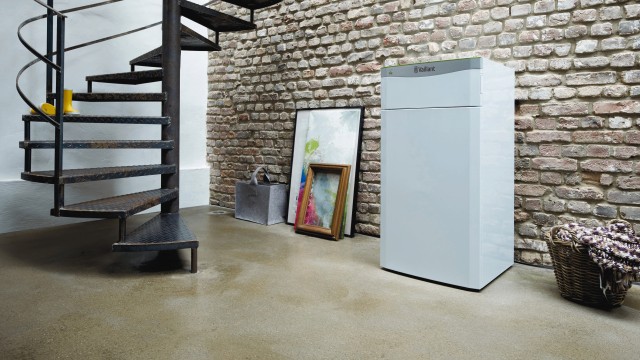
Vaillant Ground source heat pump unit

Ground and water source heat pumps: Planning permission requirements

Ground source and water source heat pumps generally have fewer restrictions regarding permitted development. In most cases, local authorities classify the installation of both heat pump types as permitted development.

If you are planning to make changes to your property, check if your home is in a conservation area. You should contact your local authority to see if any rules apply.

What are the common reasons for permitted development denial?

Permitted development for heat pumps can be denied for several reasons. Common factors include issues with one of these listed aspects. It's important to address these issues and work closely with your local planning authority to ensure all requirements are met.

  • Visual impact on the property

    Mainly in conservation areas or listed buildings where maintaining historical aesthetics is crucial.

  • Noise levels

    Sound may also be a consideration, as heat pumps must adhere to local noise regulations. The aroTHERM plus has been Quiet Mark certified which recognises manufacturers of the quietest products.

  • Wildlife and nature

    If the installation disrupts local wildlife or environmental balance, permission might be withheld.

  • Insufficient planning details

    Incomplete or inaccurate planning applications, such as missing noise assessments or incorrect placement specifications, can lead to denial.

It is important that if you’re unsure if you can install a heat pump at your home, check all planning regulations prior to installation.

Here to help

At Vaillant, we understand that navigating planning permissions/permitted development can seem daunting. If you’re interested in installing a heat pump at your home, your installer will be able to advise you on any changes you may need to make to ensure your home is suitable.

This includes the level of insulation, heat loss calculation and will be able to advise you on the permission process.